


Sourcing Premium Gasoline Oil in Bulk Across the UAE Without Compromising Quality
In the fast-paced economic landscape of the United Arab Emirates, where precision, reliability, and efficiency are non-negotiable, the quality of operational inputs can define success or failure. For businesses reliant on fuels—from sprawling logistics fleets and construction giants to manufacturing hubs and marine operations—securing a consistent, high-quality supply of gasoline oil in bulk is a critical strategic decision. It’s not merely a purchase; it’s an investment in operational continuity, equipment longevity, and bottom-line performance.
However, the UAE’s vibrant and diverse market presents both opportunity and challenge. With numerous suppliers, distributors, and intermediaries, how can procurement managers and business owners ensure they are acquiring top-tier gasoline oil without compromise? This comprehensive guide delves into the essential factors, key sourcing locations, and verification steps to empower you to make informed, confident decisions for your bulk fuel needs.
Understanding "Gasoline Oil" in the Modern Context
First, let’s clarify terminology. “Gasoline oil” often colloquially refers to high-quality gasoline (petrol) for engines and can also intersect with discussions of specific light fuel oils or premium lubricants designed for gasoline engines. In a bulk procurement context, the focus is typically on gasoline (petrol) for commercial consumption and associated high-performance engine lubricants. The UAE adheres to and often exceeds international fuel standards, with gasoline grades like Special 95, Super 98, and E-Plus 91 being ubiquitous. Quality here is governed by strict specifications for octane rating, sulfur content, and additives that ensure engine cleanliness and performance.
The Non-Negotiable Pillars of Quality in Bulk Fuel
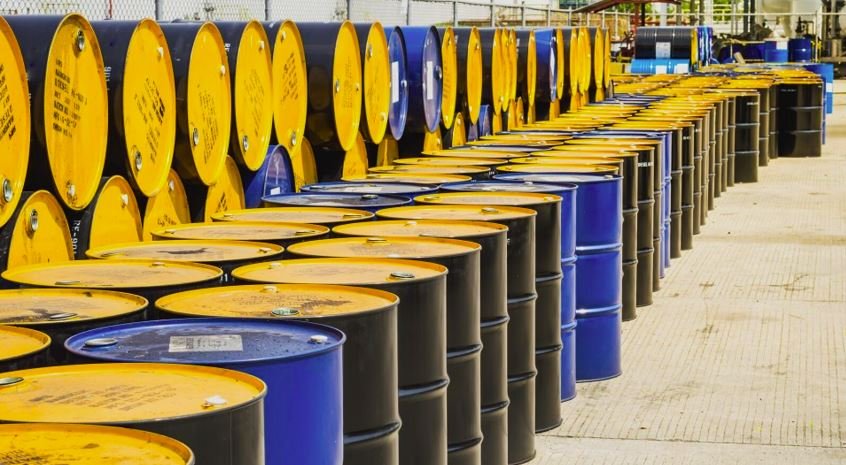
Supplier Provenance & Transparency: Where does the fuel originate? Established suppliers source directly from major UAE refineries (such as ADNOC Refining, ENOC) or through certified international channels. They should offer transparent documentation, including PPPs (Product Passport Papers), which detail the fuel’s composition, origin, and quality metrics.
Additive Technology: Premium gasoline oils incorporate advanced additive packages. These detergents prevent carbon deposit buildup in injectors and combustion chambers, corrosion inhibitors protect storage tanks and lines, and stabilizers maintain fuel integrity during storage.
Consistency & Purity: Bulk fuel must be free from contaminants like water, sediment, or unauthorized mixing. Consistency across deliveries is key—your equipment should perform identically with every batch.
Technical Support & Reliability: A quality supplier is a partner. They offer technical data sheets (TDS), safety data sheets (SDS), and have the expertise to advise on storage, handling, and optimal product selection for specific applications.
The Nescol Foundation – Beyond Blending to Engineering
To understand the product, one must first understand the producer. Nescol Lubricants is not a simple trader or repackager. It is a fully integrated, ISO-certified manufacturer operating a state-of-the-art blending plant within the UAE. This foundational fact carries immense significance for bulk buyers:
Vertical Integration & Control: Unlike distributors who source finished products, Nescol controls the entire process from base oil procurement and additive treatment to blending, testing, and packaging. This vertical integration is the first pillar of quality assurance, eliminating supply chain ambiguities and ensuring formula consistency.
Formulation Sovereignty: Operating its own plant grants Nescol the agility to formulate rather than merely repackage. Their gasoline oil formulations are engineered with a clear understanding of regional operating conditions—extreme heat, dust, and demanding duty cycles common in the UAE and wider GCC.
Regulatory and Specification Alignment: Nescol products are engineered to meet and often exceed global original equipment manufacturer (OEM) and industry specifications. Their gasoline engine oils are typically certified under the latest API SP (American Petroleum Institute) and ILSAC GF-6 categories, which are designed specifically for modern engines with turbochargers, direct injection, and to address issues like low-speed pre-ignition (LSPI) and timing chain wear.
Part 2: Deconstructing the Nescol Gasoline Oil Portfolio
Nescol’s range for gasoline engines is typically tiered to address different performance levels and OEM requirements. A detailed breakdown is crucial for bulk specification.
1. Nescol Premium Synthetic/Semi-Synthetic Gasoline Oils (API SP/GF-6)
This is the flagship tier, designed for the most advanced engines.
Technology: Built on high-quality Group II+ or Group III base oils (true synthetics or high-quality hydrocracked) fortified with premium additive packages. These include advanced detergents to prevent carbon deposits on pistons and injectors, superior dispersants to suspend soot and sludge, and robust anti-wear agents (like zinc dialkyldithiophosphate – ZDDP) calibrated for modern metallurgy.
Key Additive Focus: A primary focus is on LSPI prevention. Modern high-output, small-displacement turbo engines are susceptible to this destructive phenomenon. Nescol’s premium formulations use specific calcium and magnesium detergent chemistry that is proven to mitigate LSPI risk, protecting turbochargers and pistons.
Viscosity Grades: Widely available in modern grades like 0W-20, 5W-30, and 5W-40. The 0W-XX grades, crucial for ultimate cold-start protection and fuel economy, demonstrate their capability with advanced base oils.
Bulk Buyer Value: For fleets running the latest model vehicles (e.g., modern patrol cars, executive transport, new construction gensets), this oil provides OEM-mandated protection, potentially extending drain intervals and optimizing fuel efficiency, which translates directly to lower total cost of ownership (TCO).
2. Nescol High-Performance Semi-Synthetic/Synthetic Blend Gasoline Oils (API SN-PLUS/SN)
This tier serves as the robust workhorse for a broad range of applications.
Technology: Utilizes a blend of refined mineral and synthetic base oils with a balanced additive system. It is engineered to provide excellent protection for slightly older or less stressed naturally aspirated and early-generation turbo engines.
Key Additive Focus: Emphasis on oxidation stability for UAE heat conditions and deposit control. It effectively manages sludge and varnish that can form in engines subjected to stop-start traffic or intermittent use.
Viscosity Grades: Commonly found in 5W-30, 10W-30, 10W-40, and 15W-40. The 15W-40 grade, while heavier, is still specified for many older gasoline-powered equipment, generators, and industrial engines in the region.
Bulk Buyer Value: This represents the optimal cost/performance balance for mixed fleets. It is perfectly suited for bulk procurement for municipal operations, rental car companies, or logistics firms with diverse vehicle ages, offering strong protection without the premium cost of full synthetic.
3. Nescol Specialized Formulations
This is where Nescol’s engineering capability shines—creating tailored solutions.
CNG/LPG Engine Oils: Vehicles running on compressed or liquefied petroleum gas burn hotter and drier, leading to different wear patterns and nitration of the oil. Nescol formulates gasoline oils specifically for this fuel type, with enhanced nitration resistance and valve seat protection.
Classic & Vintage Car Oils: For heritage fleets or specialty vehicles, formulations with higher ZDDP levels and classic viscosity grades (e.g., 20W-50) to protect older engine designs with flat tappets.
The Strategic Pros and Cons for Bulk Procurement
Evaluating Nescol for your bulk supply requires a balanced view of its advantages and considerations.
Advantages (Pros):
Local Manufacturing Agility: As a local manufacturer, Nescol can respond faster to urgent bulk orders, offer greater flexibility in drum/tote sizes, and provide more responsive logistics within the UAE. Lead times are often shorter than for internationally shipped brands.
Regional Formulation Expertise: Their lubricants are explicitly designed for Gulf conditions. The additive chemistry prioritizes thermal stability and high-temperature deposit control, which is a non-negotiable for engine longevity in the Arabian summer.
Cost-Competitiveness: By eliminating multiple layers of international shipping, import duties, and brand premium, Nescol can offer a highly competitive price point per liter in bulk quantities. This presents a significant Total Cost of Ownership (TCO) advantage without a sacrifice in specification compliance.
Customization Potential: For very large-volume buyers, Nescol’s in-house blending capability opens the door to bespoke formulations. This could involve tweaking viscosity, additive levels, or even developing a house-branded oil specific to a large fleet’s unified specifications.
Direct Technical Support: Bulk buyers have direct access to Nescol’s own lubrication engineers, not third-party agents. This allows for deeper technical consultations, on-site audits, and tailored fluid analysis programs.
Considerations (Cons):
Brand Prestige & Global Recognition: In an environment where brand perception matters, Nescol may not carry the same instantaneous recognition as century-old global giants like Shell, Mobil, or Castrol. This can require internal stakeholder education to overcome bias.
OEM Approval Breadth: While they meet overarching API and ILSAC specs, they may not hold as many individual, formal OEM approvals (e.g., Mercedes-Benz MB 229.71, BMW Longlife-17 FE+) as the global majors who invest heavily in that specific certification process. It is critical to cross-reference Nescol’s specifications with your equipment OEM’s mandatory (not recommended) requirements.
International Portability: For companies with assets or operations across multiple global regions, standardizing on a globally ubiquitous brand can simplify logistics. Nescol’s primary strength is focused on the GCC and surrounding regions.
Depth of Historical Field Data: While they have extensive regional case studies, global brands can sometimes point to decades of fleet data across billions of miles. For some risk-averse procurement departments, this long-term dataset is a key deciding factor.
The Verdict – Who Should Consider Nescol for Bulk Procurement?
Nescol gasoline oil is an exceptionally strong candidate for bulk buyers who prioritize:
Regional Performance Optimization: You operate primarily within the GCC and need an oil engineered for its unique environmental challenges.
Total Cost of Ownership (TCO) Management: You seek to reduce lubrication costs without gambling on unverified, low-tier products. Nescol offers a credible, high-specification alternative to global brand premiums.
Partnership over Transaction: Your operation values having a direct line to the manufacturer for technical queries, swift problem-solving, and potential customization.
Diverse but Modern Fleets: Your gasoline-powered assets are largely from the last 15 years and are covered by API SN or SP level specifications.
Due diligence is recommended if:
Your equipment warranties mandate a specific branded oil with a formal OEM approval code that Nescol does not list.
Your operations are globally dispersed, and you mandate a single, globally sourced lubricant brand for absolute consistency everywhere.
Conclusion: A Smart, Strategic Choice for the Informed Buyer
Selecting Nescol gasoline oil for your bulk needs is a decision rooted in technical pragmatism and strategic sourcing. It represents a move away from paying for global advertising budgets and toward investing in localized engineering, manufacturing agility, and a direct partnership model.
For the UAE-based business that conducts its due diligence—verifying the ISO certifications, cross-referencing the API and OEM specification sheets, and perhaps initiating a trial batch—Nescol presents a compelling opportunity. It is a choice that aligns with the UAE’s own ethos of ambition, innovation, and building robust, self-sustaining industrial ecosystems. By choosing a manufacturer like Nescol, you are not just buying a lubricant; you are securing a quality-assured, regionally-optimized fluid partner for the long haul, ensuring your engines perform with relentless efficiency under the Arabian sun.
FAQs
Absolutely. A key advantage of Nescol is its regional formulation expertise. Its oils are engineered for GCC conditions, with a focus on superior thermal stability, high-temperature deposit control, and protection against oxidation in extreme heat.
Yes, provided your vehicle manufacturer’s warranty requires an oil meeting an API SP (or earlier SN) specification, which Nescol provides. Always check your owner’s manual for the required specification, not just a brand name.
Yes. As a local manufacturer, Nescol offers flexible bulk packaging including standard drums (205L), intermediate bulk containers (IBCs/totes), and can accommodate specialized bulk tanker deliveries for very high-volume contracts.
Bulk buyers get direct access to Nescol’s in-house lubrication engineers for technical consultations, product selection advice, and support with setting up used oil analysis programs to monitor engine health.