

Best Radiator Stop Leak in UAE - A Guide for Drivers
The relentless UAE sun, long desert drives, and constant air conditioning demand place immense strain on your vehicle’s cooling system. A sudden radiator leak, whether a minor seep or a major drip, is more than an inconvenience; it’s a threat to your engine’s health and your journey’s safety. In the scorching heat, an overheating engine can lead to catastrophic and expensive damage.
For many drivers, the immediate solution is a quality radiator stop leak. But with countless products on the market, how do you choose the right one? This comprehensive guide, curated by the automotive experts at Nescol Lubricants, will navigate you through everything you need to know. We’ll explore how these products work, what to look for, and how to use them effectively, ensuring you make an informed decision to protect your engine.
Understanding Your Cooling System and the Threat of Leaks
Your vehicle’s cooling system is a sealed, high-pressure network. It consists of the radiator, water pump, thermostat, hoses, and the engine’s coolant passages. Antifreeze coolant doesn’t just prevent freezing; it raises the boiling point, lubricates the water pump, and inhibits corrosion.
A leak breaches this sealed system, leading to low coolant levels. This reduces the system’s ability to absorb and dissipate heat. In UAE conditions, this can swiftly cause the engine to overheat, potentially warping cylinder heads, blowing head gaskets, or seizing the engine—repairs that run into thousands of Dirhams.
Common sources of radiator leaks in UAE vehicles include:
Micro-fissures in plastic end tanks due to thermal cycling (constant heating and cooling).
Corroded or damaged radiator fins from road debris and sand.
Failing gaskets and seals in older vehicles.
Small cracks in hoses or core plugs.
How Does a Radiator Stop Leak Work?
A radiator sealant is a chemical formulation designed to seek out and temporarily seal minor leaks in the cooling system. Think of it as a first-aid kit for your radiator. It works by circulating with the coolant until it reaches the point of pressure loss—the leak.
Effective stop leak compounds typically contain fibrous or particulate matter (like ceramic fibers, plant fibers, or polymers) that are carried by the coolant flow. At the leak site, the pressure drop causes these particles to accumulate at the opening. They interlock and, often combined with a sealing agent, form a flexible, durable plug that can withstand system pressure and temperature fluctuations.
It is critical to understand that these products are designed for minor leaks and seepage. They are not a permanent fix for large holes, split hoses, or a failed water pump. They are a reliable temporary solution to get you to a repair center or manage a slow leak until scheduled maintenance.
Nescol Criteria: Choosing Best Radiator Stop Leak in UAE
Not all stop leaks are created equal. Based on decades of expertise in automotive lubrication and cooling system care, here are the key factors to consider:
1. Compatibility & Safety for Modern Engines (Expertise)
Modern engines have intricate components like aluminum radiators, turbochargers, and sensitive sensors. The best radiator stop leak must be:
Safe for all metals: Non-corrosive to aluminum, copper, brass, and solder.
Compatible with all antifreeze types: Works with OAT, HOAT, and IAT coolants commonly found in UAE.
Non-clogging: The particle size must be fine enough not to block the thin tubes of the radiator or the heater core—a common issue with inferior products.
Sensor-safe: Will not coat or damage coolant temperature sensors or thermostat operation.
2. Effectiveness & Durability (Authoritativeness)
A product must work in extreme conditions. Look for:
High-temperature sealing: The seal must withstand the UAE’s extreme under-hood temperatures, often exceeding 100°C.
Permanent vs. Temporary Formulations: Some advanced formulas are designed to last for tens of thousands of kilometers, effectively becoming a semi-permanent repair for minor flaws.
Seal Range: It should seal both porous leaks and holes up to a specified size (e.g., leaks in gaskets, seals, and cracks up to 1.5mm).
3. Ease of Use & Application (Helpfulness)
For the everyday driver, the process should be simple:
No System Flush Required: Premium products can be added directly to the coolant without the need for a complete system flush beforehand.
One-step Process: Simply add the bottle to the radiator or coolant reservoir.
Works While You Drive: The seal forms as you drive normally, often within a few minutes to an hour of runtime.
4. Trust & Brand Reputation (Trustworthiness)
In a market filled with subpar imports, trust is paramount. Choose products from established brands with proven R&D, like Nescol Lubricants, that offer:
Clear technical data sheets.
Manufacturer warranties and guarantees.
Positive testimonials and expert reviews.
Widespread availability from reputable auto parts suppliers across the UAE.
What to Look For
When searching for or evaluating a product, these related terms indicate a comprehensive solution:
Cooling system sealant, radiator leak repair, antifreeze stop leak.
Head gasket sealant, block seal (for more severe potential issues).
Aluminum radiator safe, non-clog formula, coolant conditioner.
Overheating solution, coolant loss treatment, prevent engine damage.
Car maintenance UAE, summer car care, vehicle cooling system protection.
Comparative Analysis: Choosing the Right Stop Leak for Your Vehicle
The table below provides a detailed, unbiased comparison of the primary stop-leak types and scenarios.
| Feature / Scenario | Traditional Particulate Sealants (Budget Options) | Modern Polymer Sealants (Mid-Range Market) | Advanced Nano/Ceramic Sealants (Premium – e.g., Nescol) | Professional Mechanic Repair |
|---|---|---|---|---|
| Target Leak Size | Medium to large holes (0.5mm – 2mm) | Small to medium cracks & porosity (0.1mm – 1mm) | Micro-leaks & porosity (up to 1.5mm) | Any leak, from micro-cracks to component failure |
| Mechanism of Action | Physical particle clogging | Polymer precipitation & bonding | Electrostatic layering & ceramic bonding | Physical replacement/sealing of components |
| Risk of Clogging | VERY HIGH – Can block radiator tubes & heater core. | LOW – If formula is high-quality. | VERY LOW / NEGLIGIBLE – Particles are sub-micron. | NONE – System is cleaned and repaired. |
| Compatibility | Risky with tight-tolerance modern engines, turbos. | Generally safe for most systems. | Designed for all modern systems (aluminum, turbos, sensors). | The definitive solution, ensures OEM compatibility. |
| Durability of Seal | Temporary (weeks to months). Can wash out. | Semi-permanent to permanent for the sealed flaw. | Permanent for the life of the coolant on the sealed flaw. | Permanent (life of the new component). |
| Additional Benefits | None. Often just sealant. | Some include mild conditioners. | Often includes corrosion inhibitors, lubricants, surfactants. | Full system inspection, pressure test, flush. |
| Ideal Use Case | Emergency roadside fix to reach a garage for an old vehicle. | Planned repair of a known, minor seep in a daily driver. | Proactive fix for hard-to-find leaks & overall system conditioning in high-value vehicles. | Any confirmed significant leak, planned maintenance, or post-overheat diagnosis. |
| Approx. UAE Cost (AED) | 20 – 50 | 50 – 120 | 100 – 200 | 500 – 5000+ (parts & labor) |
| Core Advantage | Low immediate cost. | Good balance of effectiveness and safety. | Maximum system safety, sealing, and preventative care. | Guaranteed, reliable, long-term fix. |
| Core Disadvantage | High risk of collateral damage to cooling system. | Effectiveness can vary by brand and leak type. | Higher upfront product cost. | Highest cost and requires workshop downtime. |
Nescol Advantage: Engineered for UAE Extremes
At Nescol Lubricants, we formulate our Nescol Radiator Stop Leak & Conditioner with the specific challenges of the Gulf region in mind. Our product is not just a sealant; it’s a comprehensive cooling system treatment.
Why Nescol Stands Out:
Advanced Polymer Technology: Uses specially engineered synthetic polymers that seek out leaks and form a flexible, heat-resistant seal that moves with metal expansion and contraction.
Complete System Protection: Contains corrosion inhibitors that protect all metals, extending the life of your entire cooling system.
Absolute Safety: Guaranteed non-clogging. It will not harm water pumps, heater cores, thermostats, or modern sensors.
Permanent Seal for Minor Leaks: For hairline cracks and porous leaks, the repair can last the lifetime of the coolant.
Made for Heat: Specifically tested to perform in ambient temperatures exceeding 50°C, ensuring reliability when you need it most.
Step-by-Step: How to Use a Radiator Stop Leak Correctly
Important: Always let the engine cool completely before opening the cooling system to avoid burns from hot coolant or steam.
Locate the Leak: If possible, identify the general area of the leak. This helps confirm the stop leak worked.
Prepare the Vehicle: Park on a level surface and ensure the engine is cold.
Shake the Bottle: Vigorously shake the Nescol Radiator Stop Leak bottle to ensure the formula is mixed.
Add the Product:
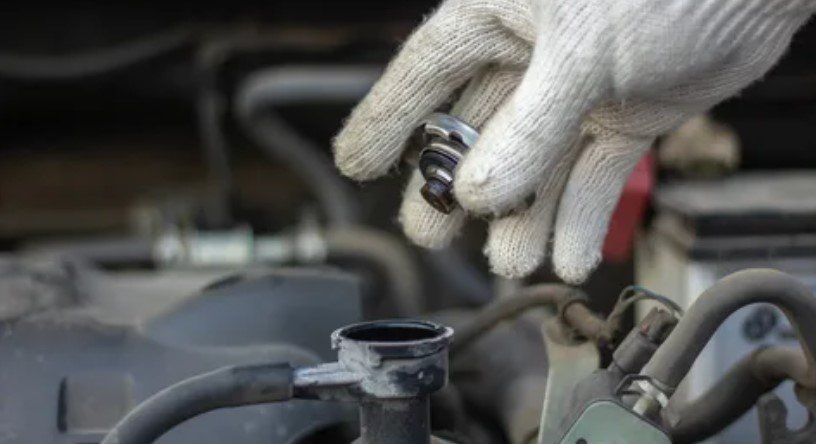
For best results, add directly to the radiator. Carefully open the radiator cap (when cold) and pour in the entire contents.
Alternatively, you can add it to the coolant overflow reservoir.
Replenish Coolant: If needed, top up the system with the correct type of antifreeze coolant to the recommended level.
Run the Engine: Start the engine and turn the heater to maximum (to circulate through the entire system). Let the engine run for 15-20 minutes to reach normal operating temperature and allow the product to circulate.
Test Drive: Take the vehicle for a short drive to pressurize the system fully, which helps force the sealant into the leak.
Monitor: Check the coolant level over the next few days and look for signs of the leak stopping. The seal typically strengthens over the first few hundred kilometers of driving.
When NOT to Use a Radiator Stop Leak: Critical Advice
A stop leak is a tool, not a magic potion. You should seek immediate professional mechanical repair if:
The leak is large, with coolant streaming or gushing out.
The leak is from a burst hose, cracked radiator tank, or a failed mechanical component like the water pump.
You suspect a blown head gasket (indicated by white smoke from the exhaust, milky oil, or coolant loss with no visible leak).
The vehicle is chronically overheating.
The cooling system is severely corroded and requires a full flush and component replacement.
Proactive Cooling System Maintenance for UAE Drivers
Prevention is always better than cure. Integrate these habits into your car care routine:
Regular Coolant Checks: Visually inspect the coolant level in the reservoir every two weeks, especially before a long trip.
Scheduled Coolant Replacement: Follow your vehicle manufacturer’s intervals for coolant flush and replacement. Old coolant loses its anti-corrosive properties and becomes acidic.
Annual Pressure Test: Have a mechanic perform a cooling system pressure test during your annual service. This can identify weak points and leaks before they leave you stranded.
Radiator Exterior Cleaning: Gently clean sand and debris from the radiator fins to ensure optimal airflow and heat exchange.
Conclusion: Secure Your Journey with the Right Choice
A radiator leak in the heart of summer is a driver’s genuine concern. While not a substitute for necessary repairs, a high-quality, reliable radiator stop leak is an indispensable emergency tool and a smart solution for managing minor, hard-to-find seepage.
By choosing a product that prioritizes compatibility, durability, and safety—like Nescol Radiator Stop Leak & Conditioner—you’re not just plugging a leak. You’re investing in the long-term health of your vehicle’s cooling system with a formula engineered for the Gulf’s punishing climate.
Don’t let a small leak turn into a major breakdown. Keep your cooling system in peak condition, ensure your engine runs cool and efficient, and drive with confidence across every emirate.